2 hr
Herculaneum Archaeological Site Tour with Expert Guide
Journey through remarkably intact Roman ruins with an archaeologist at this ancient coastal town
Reserve
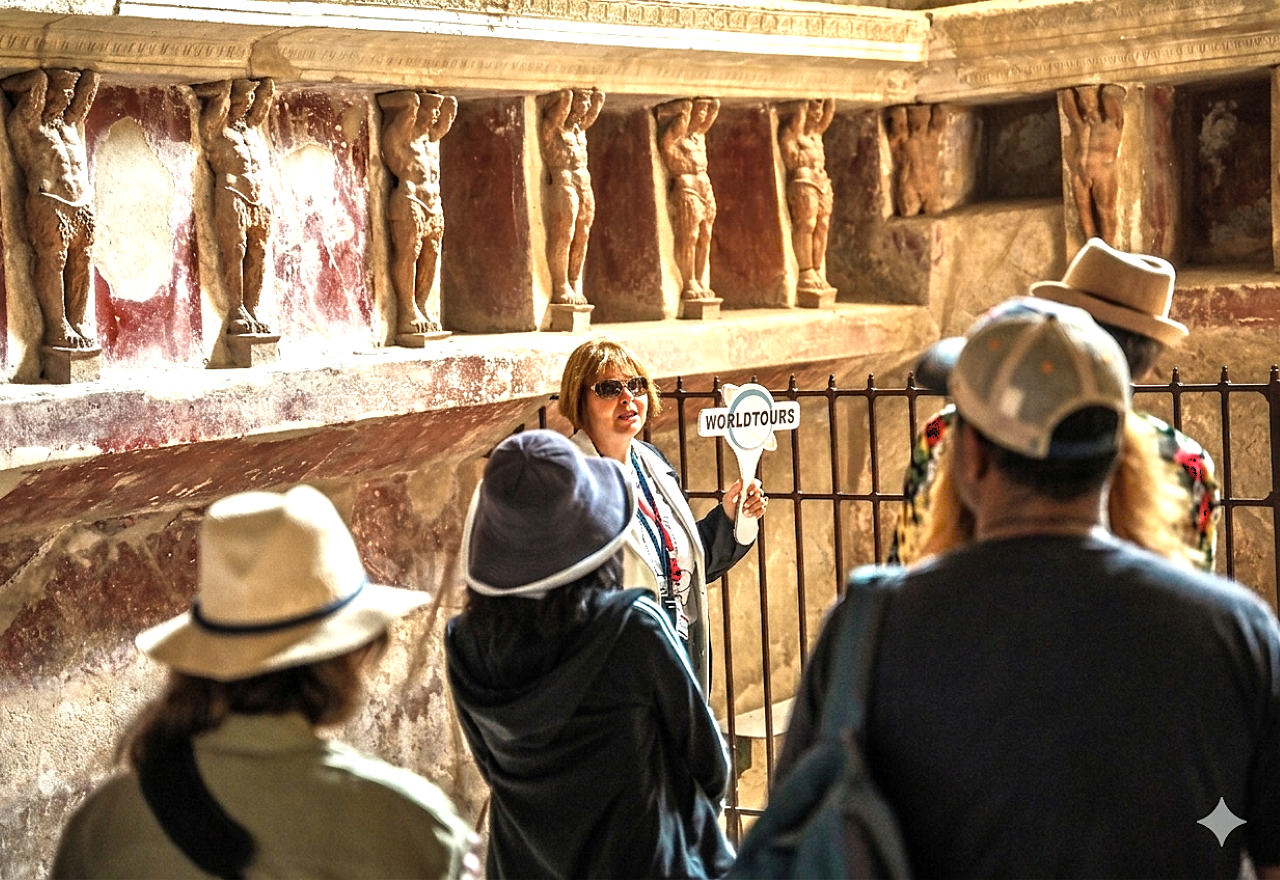
Two cities frozen in time, one unforgettable journey through Vesuvius' shadow
Hand-picked by our editors — only the best 5 experiences from 47 reviewed.
Verified partners for every tour, free cancellation where available, and instant confirmation on every booking.
2 hr
Journey through remarkably intact Roman ruins with an archaeologist at this ancient coastal town
Reserve
7 hr
Uncover two ancient Roman cities frozen in time with an expert archaeologist guide on this full-day adventure.
Reserve
7 hr
Explore two ancient cities frozen by Vesuvius with an expert archaeologist guide in one unforgettable day
ReservePrices from verified partners. Availability updates in real time at checkout. Free cancellation policies apply where shown.
The landmarks, rooms, and views travelers on this tour remember — all visible on a single visit.
Features a preserved garden and intricate, well-maintained floor mosaics throughout the structure.
Named for a sculpture found in the garden, this house displays luxurious Roman residential architecture.
Located at the shoreline, these structures reveal the tragic final moments of residents during the 79 AD eruption.
A well-preserved ancient fast-food counter showcasing the culinary habits of Roman citizens.
Celebrated for its stunning wall mosaics depicting mythological scenes of Neptune.
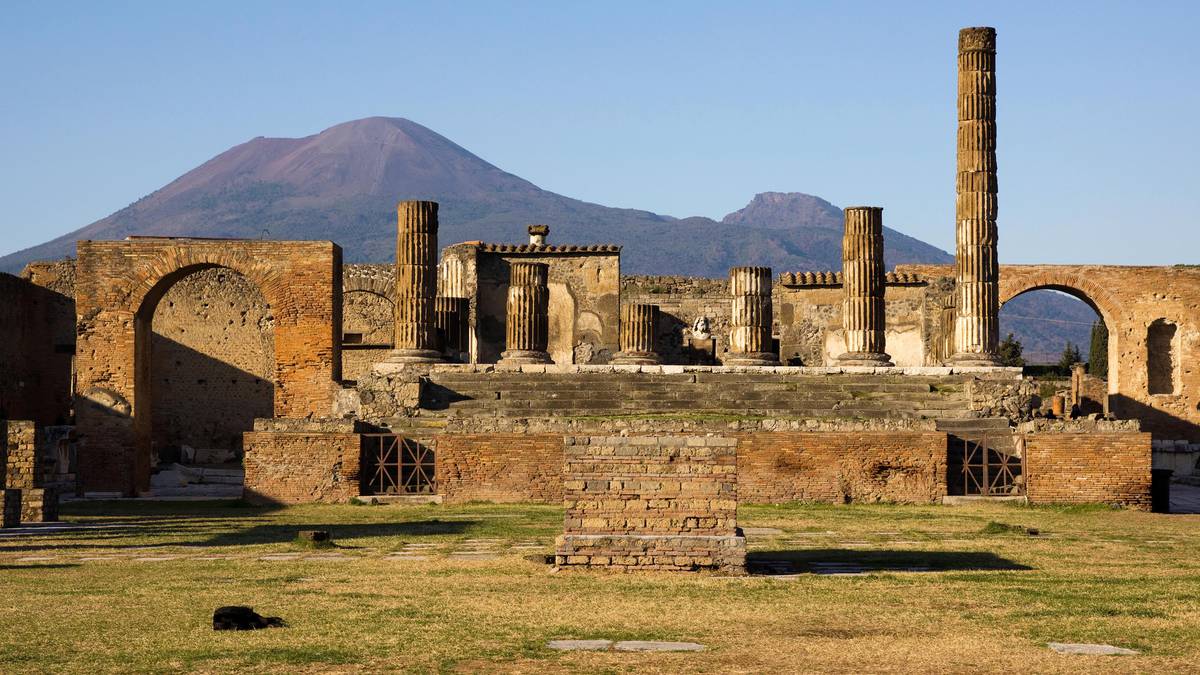
Herculaneum offers a more intimate look at multi-story Roman architecture, while Pompeii provides an expansive view of a sprawling urban center; choosing the right pompeii herculaneum tour from naples depends on whether you prioritize depth or scale.
| Feature | Top pick Herculaneum | Pompeii Park |
|---|---|---|
Preservation quality |
Carbonized organic materials and wood | Predominantly stone and volcanic ash |
Scale and walking distance |
Compact and manageable | Extensive and requires significant walking |
Crowd levels |
Generally lower density | High volume with large groups |
Visual impact of interior details |
Intact mosaics and second floors | Exposed structures and wall paintings |
Time required for thorough exploration |
2–3 hours | 5–7 hours |
Primary archaeological focus |
Residential architecture and social life | Civic infrastructure and public spaces |
| See tickets → |
Verdict: Select Herculaneum if you prefer preserved detail on a human scale, or choose Pompeii for the comprehensive experience offered by pompeii herculaneum tour from naples tours, provided you obtain your pompeii herculaneum tour from naples tickets in advance.
Choose your ticket, select your date, and reserve in under two minutes. Secure checkout handled by our verified partner.
Instant confirmation by email, with a mobile voucher you can save offline. No printing, no queuing at a collection desk.
Arrive at the entrance, show your voucher on your phone, and walk in. Most tickets include priority or skip-the-line access.
Best time to go, insider tips, nearby landmarks, and the cancellation fine print — flip through to skim what matters to you.
How crowds, weather, and events shift across the year.
Mild temperatures and blooming landscapes make this an ideal time for a pompeii herculaneum tour from naples.
Expect high heat and significant crowds; arrive at 08:30 for the best experience.
Cooler weather persists in September and October, offering comfortable exploration conditions.
Lowest crowd levels allow for quiet, reflective visits, though weather can be unpredictable.
Small details that turn a good visit into a great one.
Secure your pompeii herculaneum tour from naples tickets in advance to guarantee entry during peak periods.
Arrive as the gates open to enjoy the site before large bus tours from Naples arrive.
Use the public fountains on-site to refill your bottle frequently.
The original stone paths are uneven and require sturdy footwear for safety.
Seeing the virtual reconstruction helps visualize the site before walking through the ruins.
Have a digital version of the archaeological map saved on your phone for easy navigation.
Non-bookable sights within a short walk — free to visit, easy to pair.
Interactive displays provide historical context before your visit.
A historic Neapolitan villa representing 18th-century architecture.
An important local church with significant artistic heritage.
Flexible, no hidden fees.
Full refunds are available for standard entrance tickets if cancelled within the designated provider window. Note that the 16 EUR entrance fee component is strictly regulated by the archaeological park.
Hand-picked options within walking distance — pick a district for vibe, or a specific hotel for convenience.
Conveniently located near the archaeological site.
Historic estate providing refined guest amenities.
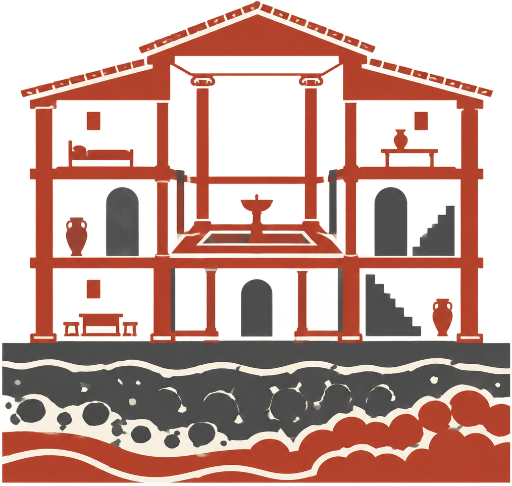
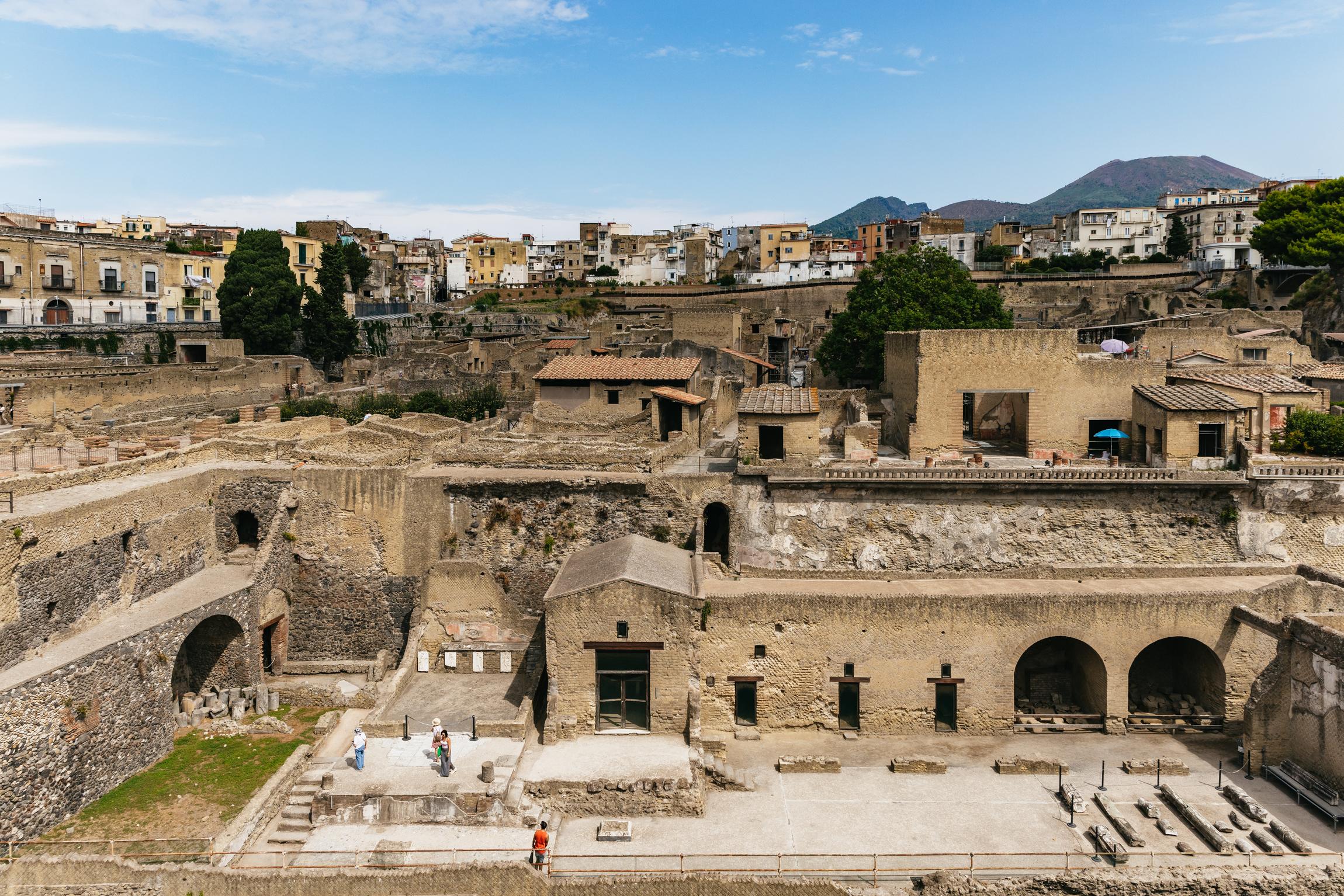
Herculaneum lay undisturbed beneath 20 metres of volcanic mud until 1738, when a well-digger's pickaxe struck marble. What emerged was a Roman town preserved with a completeness Pompeii could never rival. While Pompeii suffocated under ash, Herculaneum drowned in a superheated pyroclastic surge that carbonised wood, sealed frescoes behind solidified mud, and left two-storey houses standing intact. The site today occupies just four hectares — a fraction of the ancient town — yet those excavated blocks reveal more about daily Roman life than any other archaeological park in the Campania region. The Via IV Novembre entrance opens at 08:30, depositing visitors onto a walkway suspended above the ancient shoreline. Below, the House of the Deer still displays its bronze stag sculptures in the garden triclinium. The Suburban Baths retain their stuccoed vaults and heated floors. Wooden furniture survives in upper-storey rooms. Loaves of bread, fishing nets, and intact roof tiles fill the site museum. Pompeii draws millions; Herculaneum receives a tenth of that traffic, which means you can stand alone in the Samnite House atrium and study its Ionic columns without obstruction. A Pompeii Herculaneum tour from Naples covers both sites in a single day, typically departing before 09:00 to reach Herculaneum by opening time. Most dual-site itineraries allocate two hours to Herculaneum before continuing to Pompeii for a three-hour afternoon exploration. Archaeologist-led tours interpret the stratigraphic differences between the two destruction events — Herculaneum's residents fled toward the sea, where 340 skeletons were later found huddled in the boat sheds, while Pompeii's victims remained in their homes. The Vesuvian archaeological landscape transformed our understanding of Roman urbanism. Herculaneum was a wealthy seaside resort; Pompeii a commercial hub. Together, they document two facets of first-century Campanian society, frozen at 13:00 on October 24, AD 79. The dual-site visit reveals that contrast in brick and bone.
"Herculaneum drowned in a superheated pyroclastic surge that carbonised wood, sealed frescoes behind solidified mud, and left two-storey houses standing intact."
Personal photography is allowed, but commercial equipment requires special permits.
Wear comfortable, sturdy shoes for the uneven terrain; there is no formal dress code.
Food is restricted to designated picnic areas; you may bring water to stay hydrated.
Yes, families are welcome, though strollers are difficult to navigate on the historic stone paths.